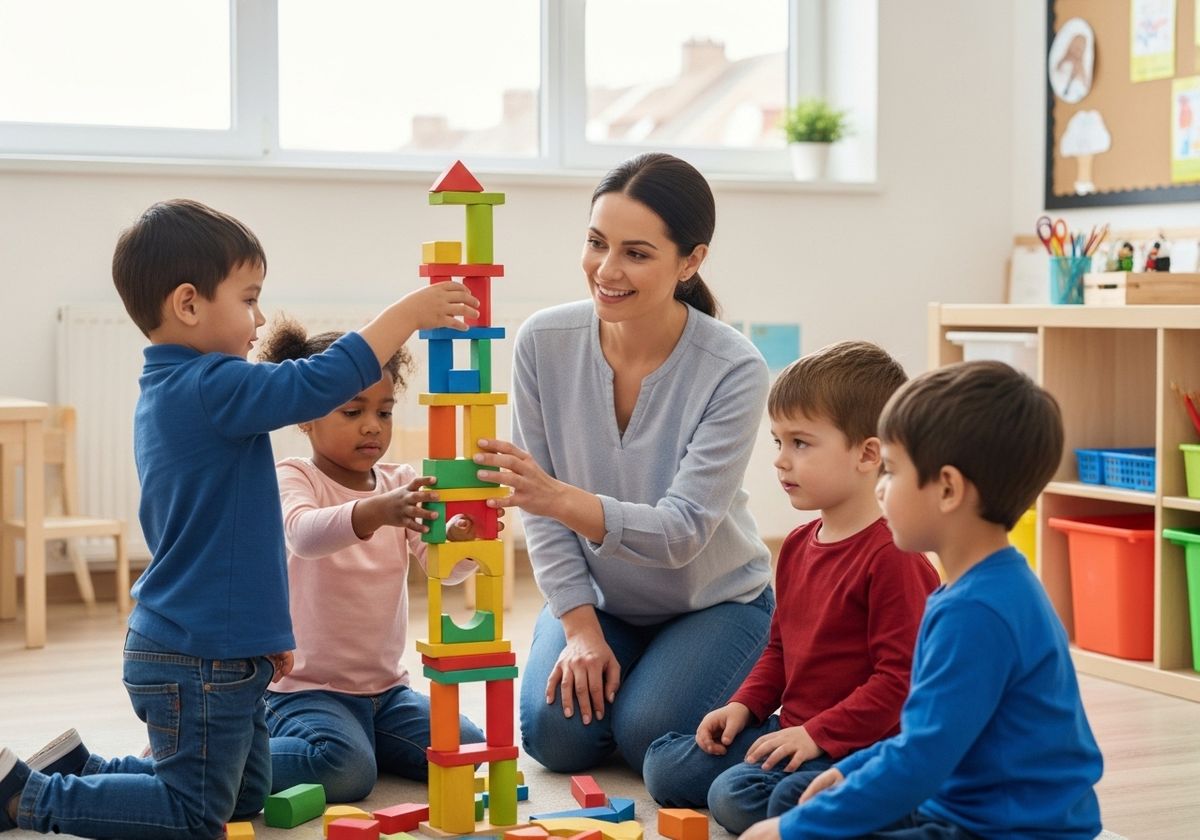
In a play-based classroom, the teacher's role is dynamic and multifaceted, extending far beyond that of a mere observer. Instead, educators become facilitators, guides, and co-learners, carefully crafting an environment where children's natural curiosity and drive to explore are nurtured. Let's delve into the key aspects of a teacher's role in this enriching educational setting.
Creating a Stimulating Environment
The teacher is responsible for designing and maintaining a physical space that sparks imagination and encourages exploration. This involves providing a variety of open-ended materials, organizing learning centers, and ensuring the environment is safe and accessible for all children. The environment should be flexible and adaptable, changing to reflect the children's evolving interests and learning goals.
Observing and Assessing
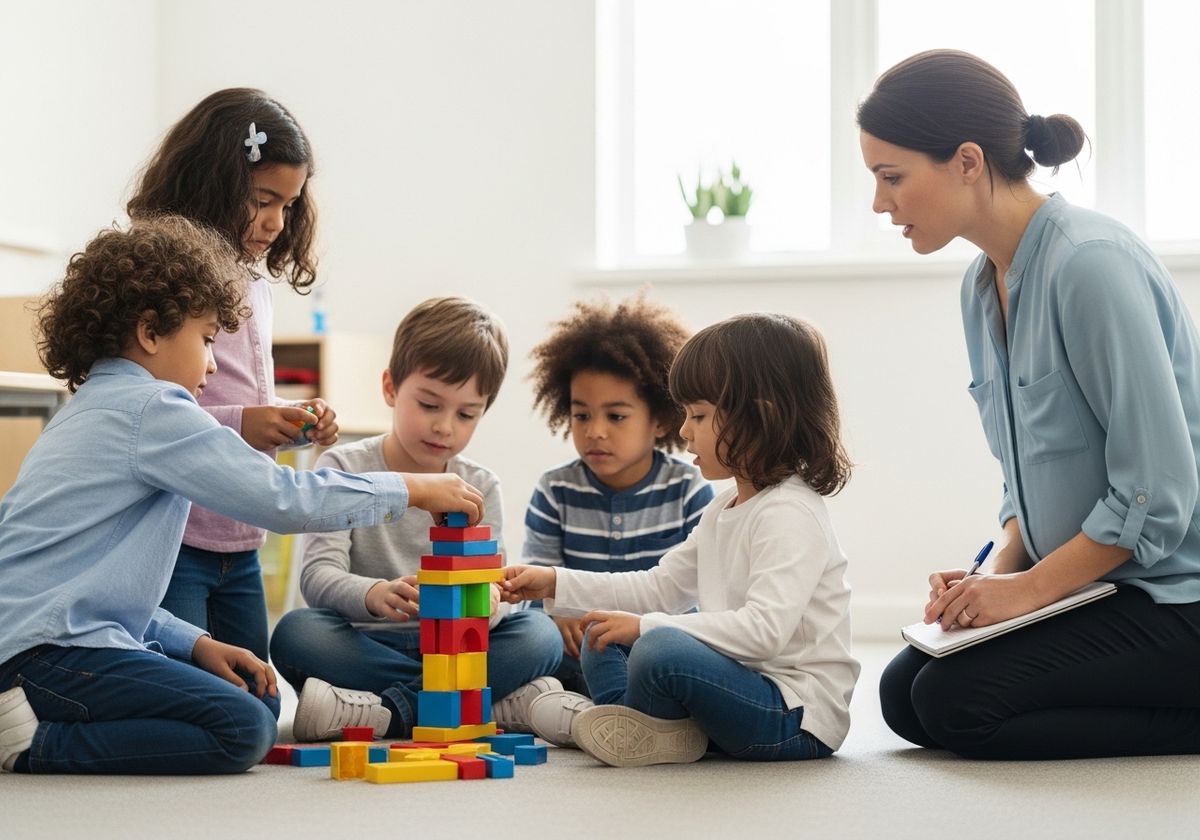
Careful observation is a cornerstone of the teacher's role in a play-based classroom. By attentively watching children at play, teachers gain valuable insights into their developmental progress, social interactions, problem-solving skills, and individual learning styles. These observations inform future planning and allow teachers to tailor their support to meet each child's unique needs. Assessment becomes an ongoing, authentic process, embedded within the context of play.
Facilitating and Guiding
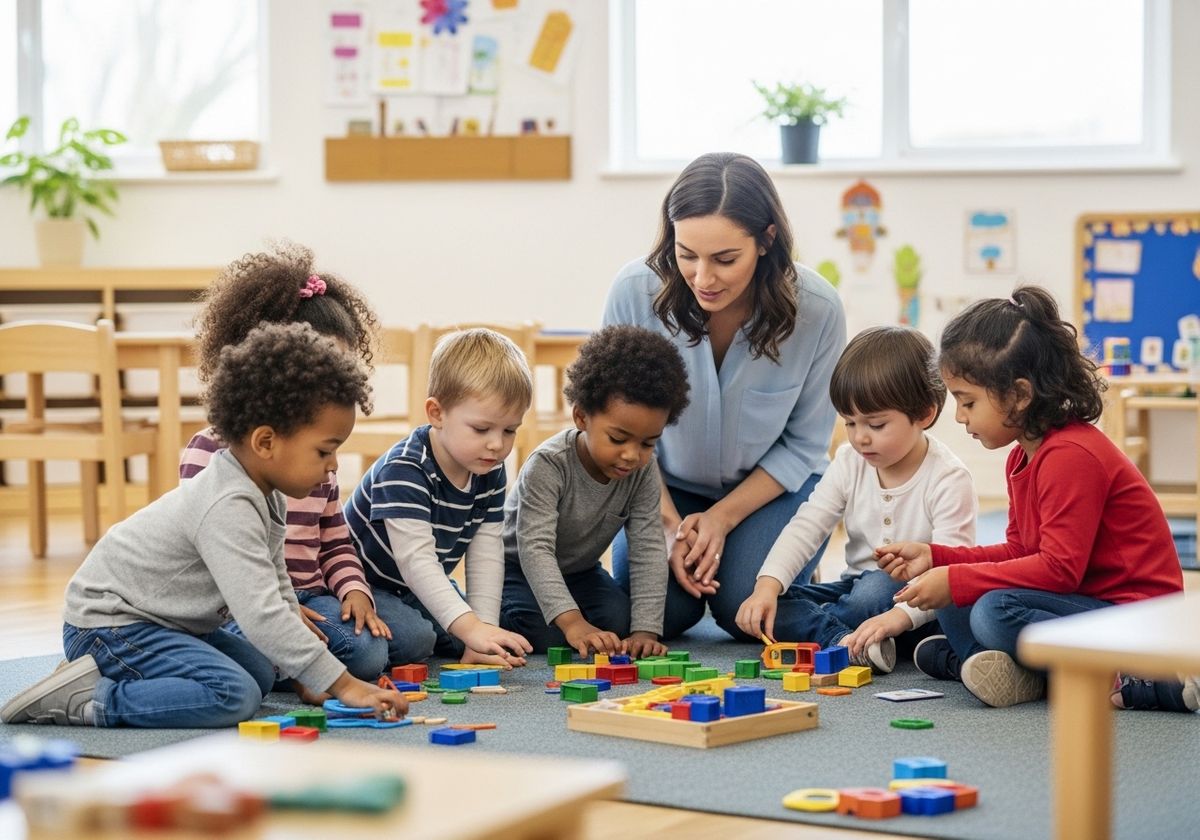
Teachers in play-based classrooms act as facilitators, gently guiding children's learning experiences without directly instructing them. This involves asking open-ended questions, offering suggestions, and providing resources to extend their play. Teachers may also introduce new vocabulary, model problem-solving strategies, and encourage collaboration among children. The goal is to empower children to take ownership of their learning and develop their own ideas.
Supporting Social-Emotional Development
Play provides countless opportunities for children to develop essential social-emotional skills. Teachers play a crucial role in fostering positive interactions, helping children navigate conflicts, and promoting empathy and understanding. They may model appropriate communication skills, facilitate discussions about feelings, and provide a supportive environment where children feel safe to take risks and express themselves.
At ABC Preparatory, we understand the importance of play in early childhood education. Our experienced and caring staff are dedicated to providing a nurturing and stimulating environment where children can thrive. Contact us today to learn more about our programs and how we can help your child reach their full potential. We'd love to hear from you and answer any questions you may have!