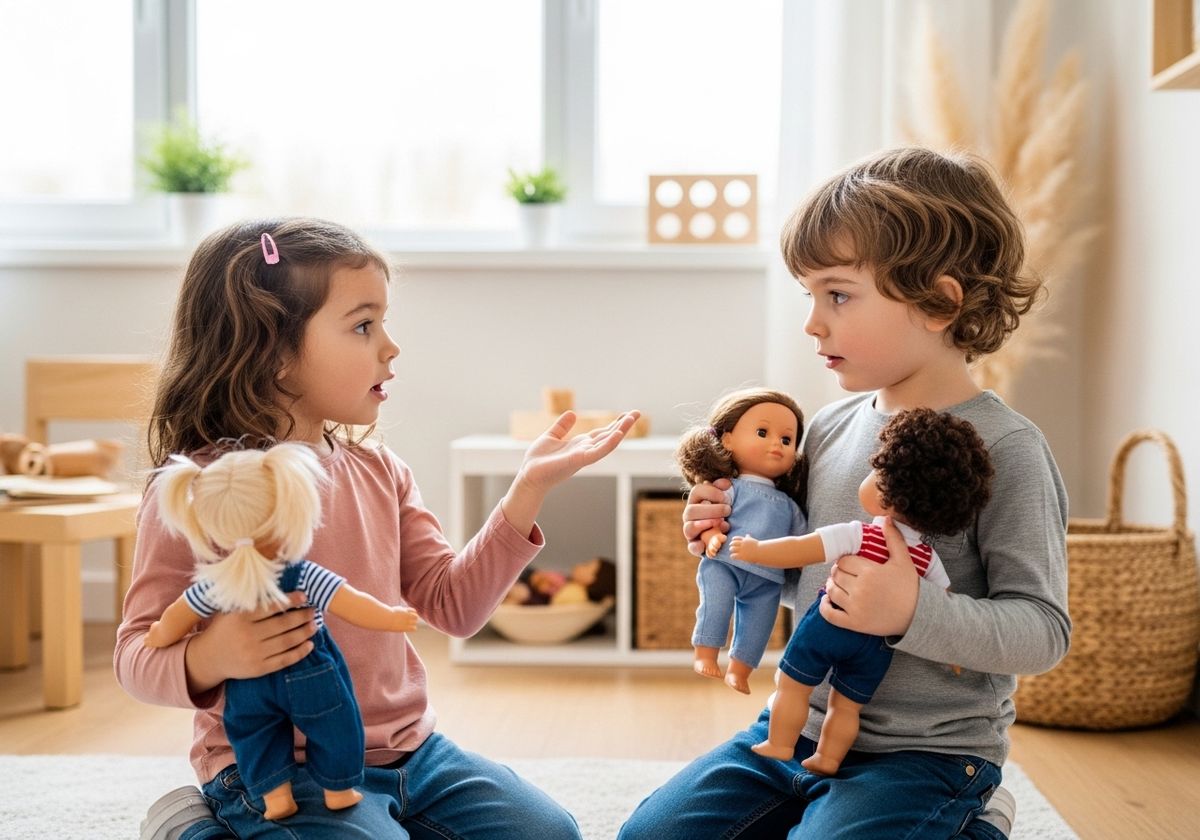
To a child, a cardboard box isn’t just a box—it’s a rocket ship, a castle, or a hidden cave. While it might look like "just fun" from the outside, play is actually the most important "work" a child ever does.
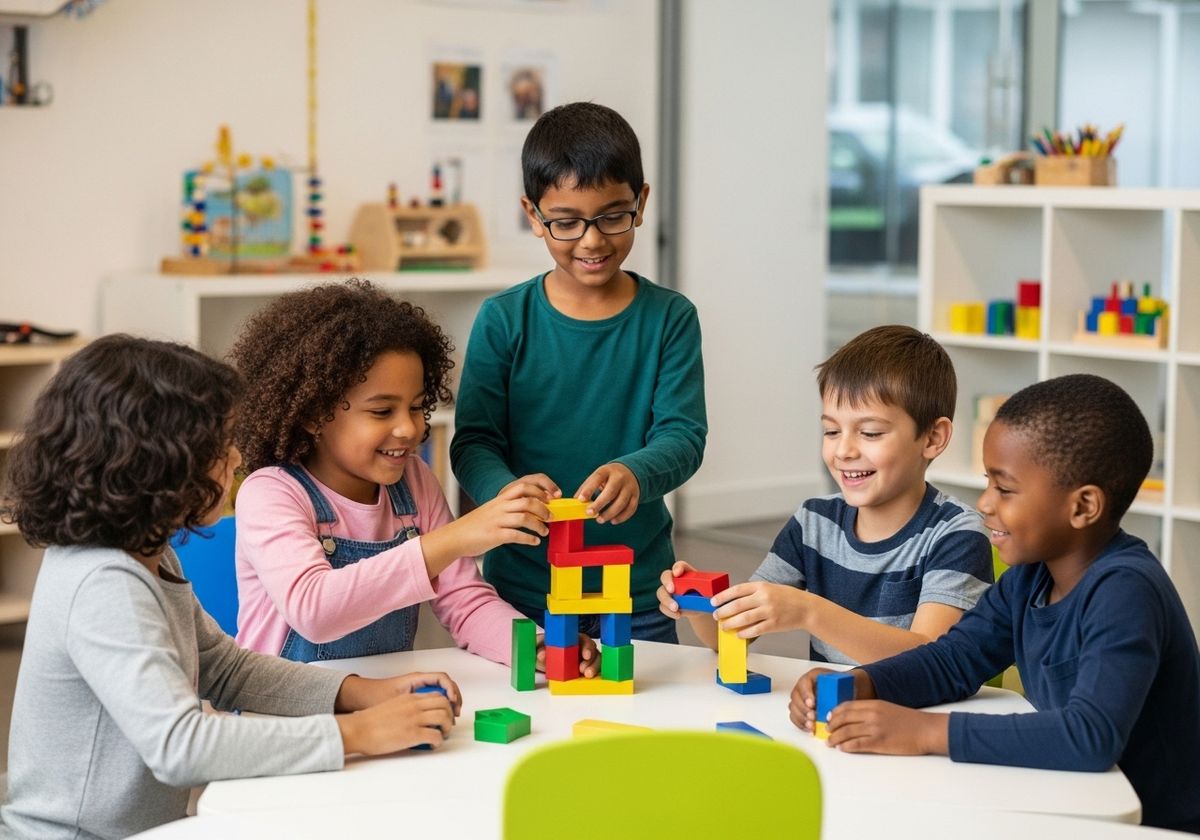
It is the primary laboratory where children experiment with the world and, more importantly, with each other. At ABC Preparatory, we see firsthand how play-based learning serves as the foundation for social-emotional development. From a game of tag on our Alpine playground to building block towers in the classroom, every interaction is a building block for empathy, resilience, and cooperation.
In this post, we’ll explore why play is the secret ingredient to helping your child navigate their emotions and build lasting friendships.
How Play Fosters Social-Emotional Growth
Play provides children with a natural platform to explore and understand their emotions, as well as the emotions of others. Through imaginative scenarios and role-playing, they learn to express themselves, empathize with their peers, and navigate a variety of social situations. This active engagement is particularly beneficial in developing key skills such as:
Self-Awareness: Recognizing one's own emotions and how they impact behavior.
Self-Regulation: Managing emotions and impulses in a healthy way.
Social Awareness: Understanding the emotions, perspectives, and social cues of others.
Relationship Skills: Building and maintaining positive relationships through communication, cooperation, and conflict resolution.
Responsible Decision-Making: Considering ethical standards, safety concerns, and the consequences of one's actions.
The Role of Different Types of Play
Various forms of play contribute to social-emotional development in unique ways. For instance:
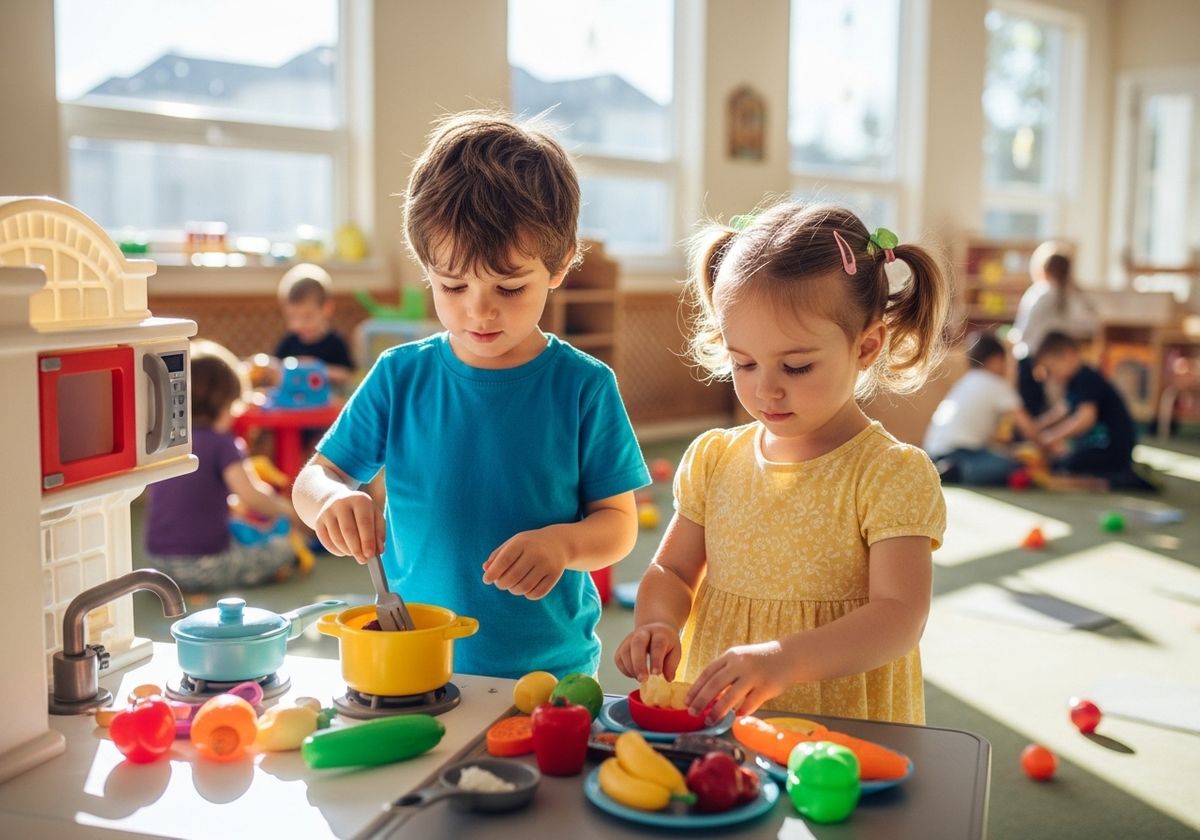
Dramatic Play: Encourages empathy and perspective-taking as children step into different roles and explore various scenarios.
Constructive Play: Promotes cooperation and problem-solving as children work together to build and create.
Games with Rules: Teach children about fairness, turn-taking, and how to cope with both winning and losing.
Free Play: Allows children to exercise their independence, creativity, and self-expression, while also learning to negotiate and compromise with peers.
Encouraging Play-Based Learning
Parents and educators can actively support play-based learning by:
Providing a stimulating and safe environment with a variety of toys, materials, and props.
Encouraging children to initiate their own play and follow their interests.
Offering support and guidance when needed, but avoiding excessive interference.
Creating opportunities for children to play with peers of different ages and backgrounds.
Recognizing and celebrating the value of play as a vital component of early childhood education.
In conclusion, play is not just a pastime; it is a powerful tool for nurturing social-emotional skills in children. By providing ample opportunities for play-based learning, we can help children develop the emotional intelligence, social competence, and resilience they need to thrive in school, relationships, and life. ABC Preparatory offers trusted childcare services that integrate playtime in a safe and reputable setting. Contact us today to learn more about our full-time daycare and early childhood education programs and how they benefit the development of Daycare in Alpine UT!